Back Pain & Sciatica in Sarasota
Chronic back pain and sciatica are not just ailments; they’re chains that bind you, limiting your freedom and dimming the joy of life’s simplest pleasures.
What causes back pain & sciatica?
Most back pain starts with a trigger: a disc, a strain, a long stretch of sitting. When you live with that pain, you lean and shift to protect it. Over time those shifts tilt the rib cage and rotate the pelvis, and the compensation becomes the problem. That is why the pain keeps coming back, and why it often sits on one side.
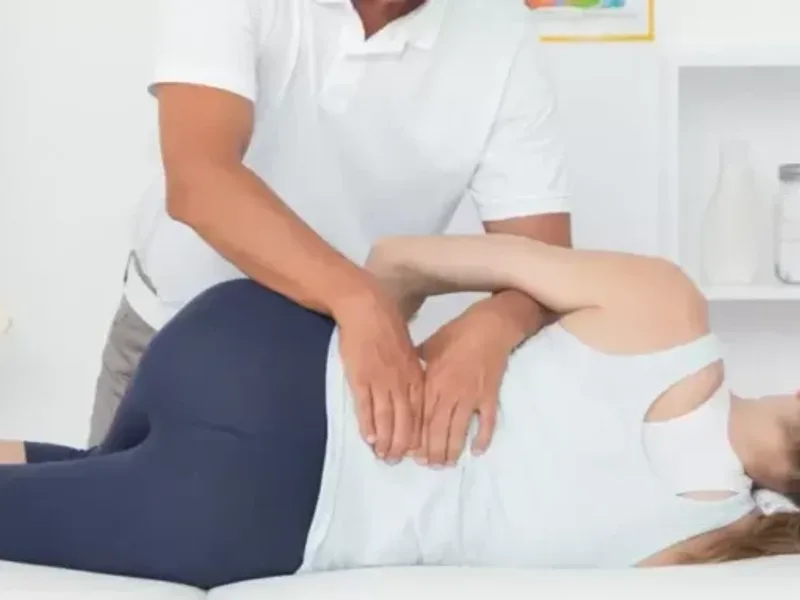
A bulging or herniated disc can press on nearby nerves and send pain into the hip, buttock, and leg. It is a real diagnosis, but with chronic back pain it is usually the trigger, not the whole story. To protect the disc, you start leaning away from the pain. Leave those shifts in place long enough and they keep loading your spine unevenly, even after the disc has calmed down.
Sciatica is a symptom, not a diagnosis. It is the sharp, electric pain that travels from the low back through the glute and down the leg. Ask yourself why it is only one leg. Often the pelvis has rotated and the hips have shifted to one side, so that side of the back and hip works harder and stays tight. Until that rotation is corrected, the nerve keeps getting irritated.
Stand in front of a mirror. Is one shoulder higher? Is the gap between your arm and hip wider on one side? Those are signs the rib cage has tilted and the pelvis has rotated. Your low back sits right between the two, so it takes the twist. This is not a weak core. It is a body that has become lopsided, and strengthening a lopsided body often makes it hurt more.
If sitting hurts, notice how you sit. Many people with back pain drift to one side of the chair without realizing it. That is the hips and pelvis compensating. Sitting up straighter or buying a new chair rarely fixes it, because the muscles have tightened around the shifted position. Once the body is recalibrated, sitting often gets easier on its own.
Discs change with age, and plenty of people have degeneration on their scans with no pain at all. So why does one person hurt and another does not? Think of a car with misaligned wheels. The tires wear unevenly. A body that has been lopsided for years wears some parts of the spine faster than others. Degeneration is not a life sentence. Correcting the alignment takes the uneven stress off.
Sometimes it is obvious: a heavy lift, an awkward twist, a slip. The strain itself often heals in a few weeks. The problem is what you did to protect it. You leaned, guarded, and moved differently, and your body never fully let go of those habits. That is why one old injury can keep flaring up years later. We fix the compensation, not just the original strain.
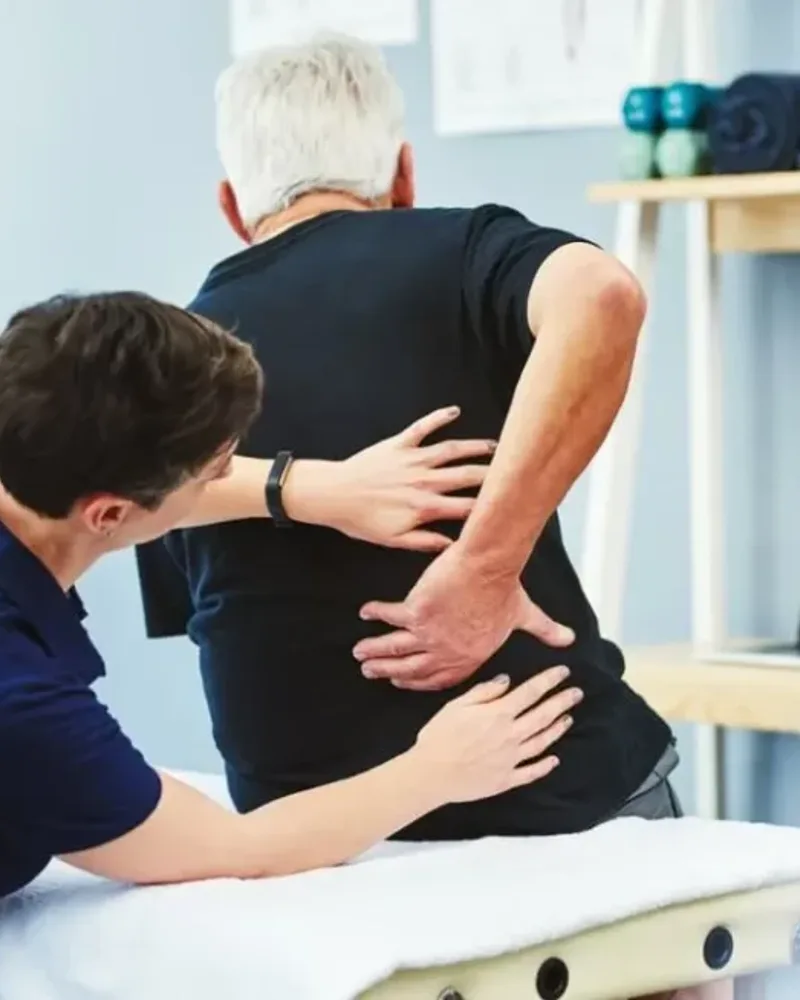
The Path to an Active Life: Our Approach
Our service isn’t just about alleviating symptoms; it’s about understanding the root of your chronic back pain and sciatica and crafting a journey to long-term relief. Every spine tells a different story. We listen closely, using a combination of assessment techniques to design a therapy plan that speaks directly to your pain. By integrating lifestyle counseling, ergonomic advice, and mindfulness practices, we address every angle of your pain, ensuring the relief is not just temporary but lasting. Our approach is gentle yet effective, focusing on harnessing your body’s natural healing capabilities to foster pain relief and functional improvement without the need for invasive procedures.
What to expect from your recovery.
Evaluation
Your first visit is a full hands-on evaluation. We look at how your body has compensated: a shoulder higher, a hip shifted, a pelvis rotated. Then we tie those findings to your back and leg symptoms, so you finally understand why it hurts where it does.
Untwist and realign
Each 60-minute session is one-on-one and hands-on. Fascial recalibration untwists the tissue that connects you head to toe. Muscle recalibration then realigns you, one muscle at a time. You can often see a change in your posture within the first hour.
Maintain and get back to living
A short home routine, about 10 minutes a day, helps you hold the recalibration. It is not about building strength. Then we correct how you move and get you back to what you love, from golf to sitting through a movie without paying for it later.
Great therapists. Very knowledgable and helped with tough, long term pain.
Pain rarely travels alone.
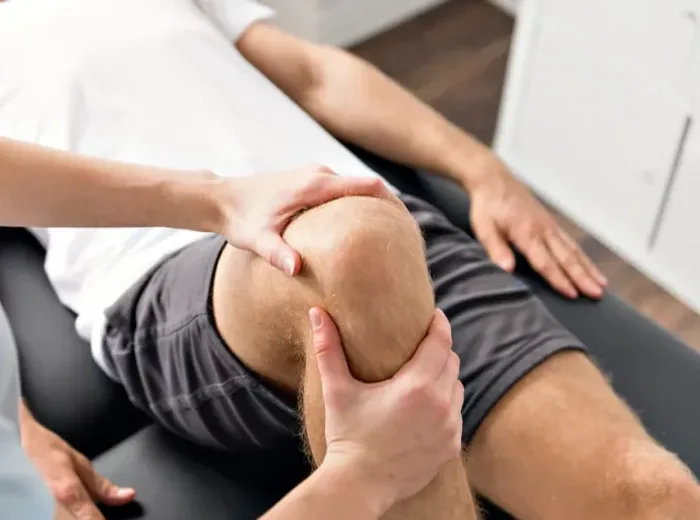
Hip & Knee Pain
In the journey of life, every step should be a testament to your resilience, not a reminder of discomfort.

Chronic Pain
Do you wake up each day bracing for relentless aches and discomfort? You’re not alone…
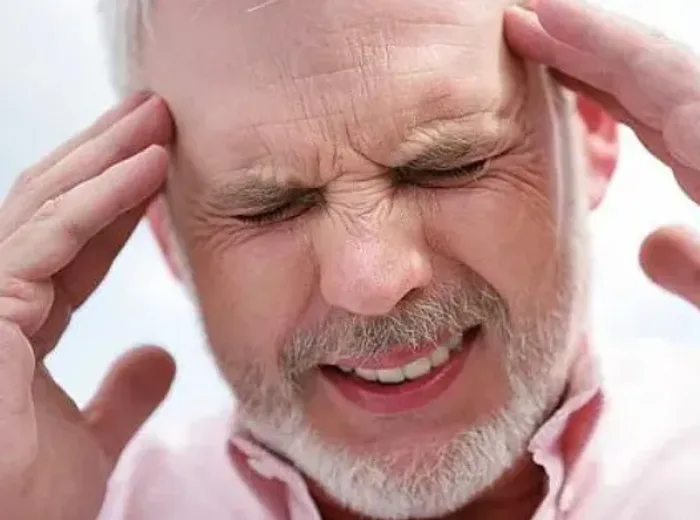
Headaches
Whether it’s tension headaches, migraines, or cervicogenic headaches, the pain can be unbearable—interfering with work, sleep, and daily activities.